Integration and community connections, enabling pupils with disabilities to fully participate in activities at the same level as non disabled pupils.
Outdoor Learning
Creative Development: Linking art and nature
Sara Gough, from Art Buds Collective, ran three creative sessions in the Drylaw Neighbourhood Centre Gardens, working with pupils from Ferryhill PS, Oaklands Special School and Rowanfield Special School. Nadia Russell, from Royal Botanic Garden Edinburgh, ran two sessions in Drylaw Neighbourhood Centre, and the group went on a visit to the Royal Botanic Gardens of Edinburgh during the project.
What We Did
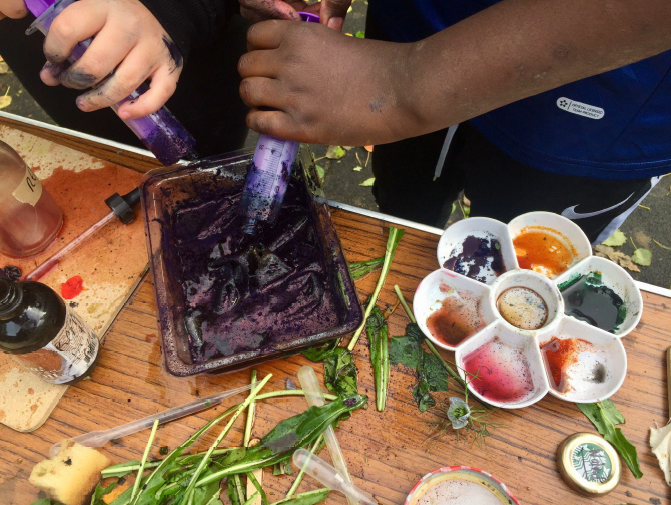
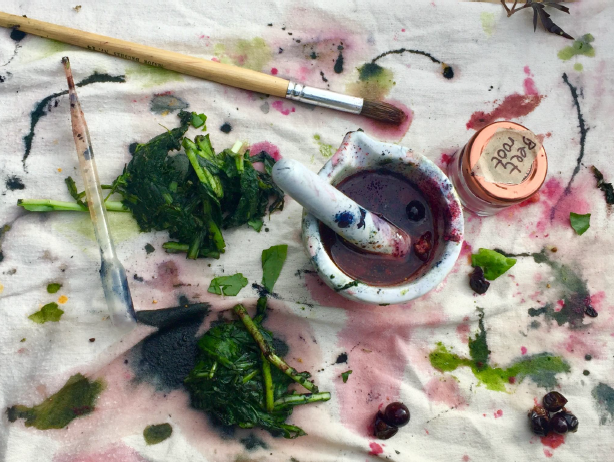
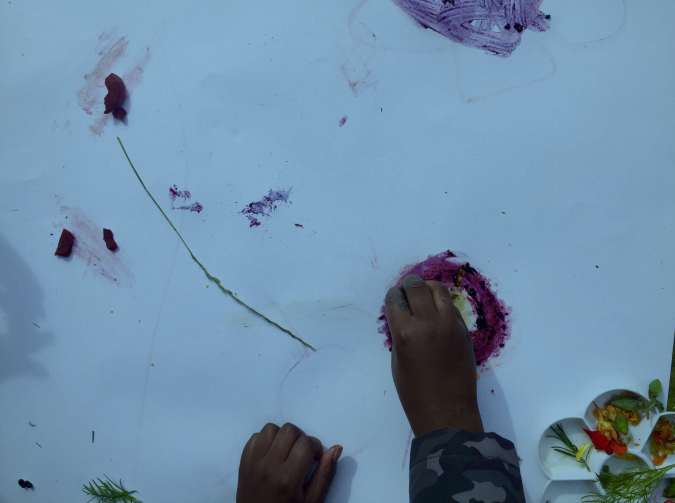
We connected children of all abilities with the outdoor garden space, exploring the natural world using all the senses. Engaging with garden plants and flowers encouraged awareness of plant properties, particularly the potential to use them as art materials such as natural colours for drawing inks, paints and dyes. We introduced dried and powdered plant material from temperate and subtropical regions, to extend the range of colour possibilities. Garden collections of nasturtium, cosmos, marigold, lavender and lobelia flowers were enriched by beetroot, blackberries, currants and woad. The addition of turmeric, indigo and spirulina expanded the palette.
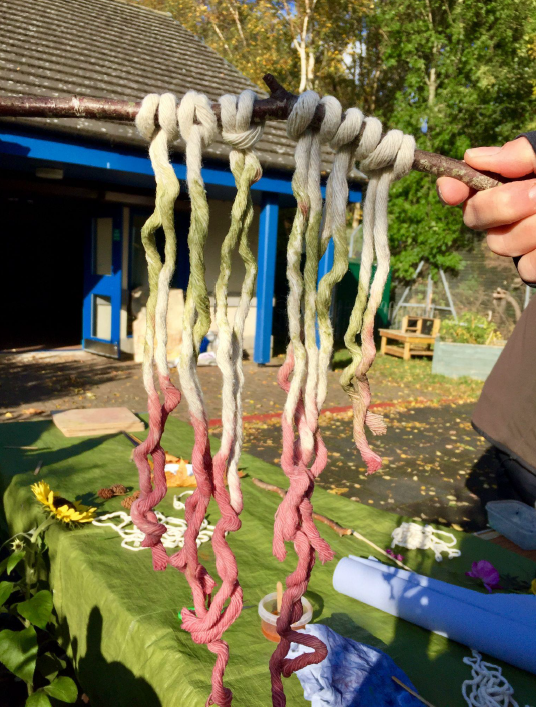
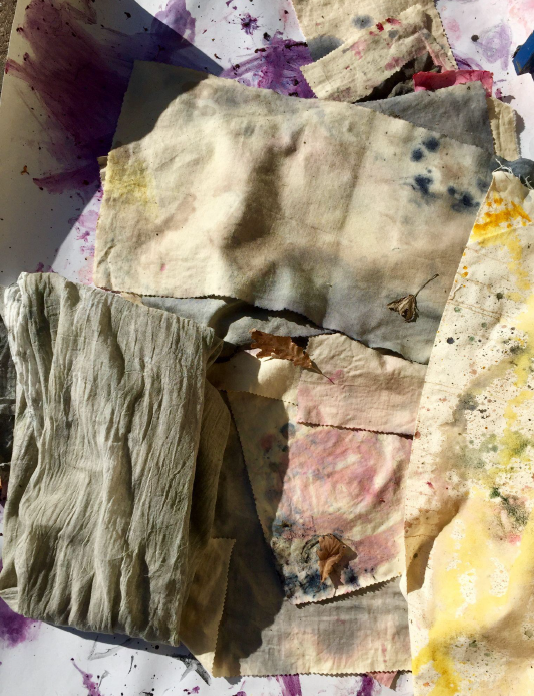
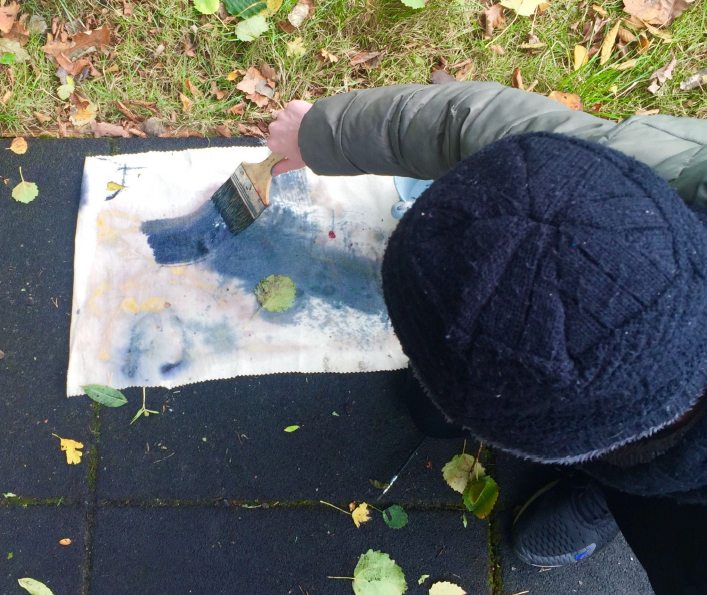
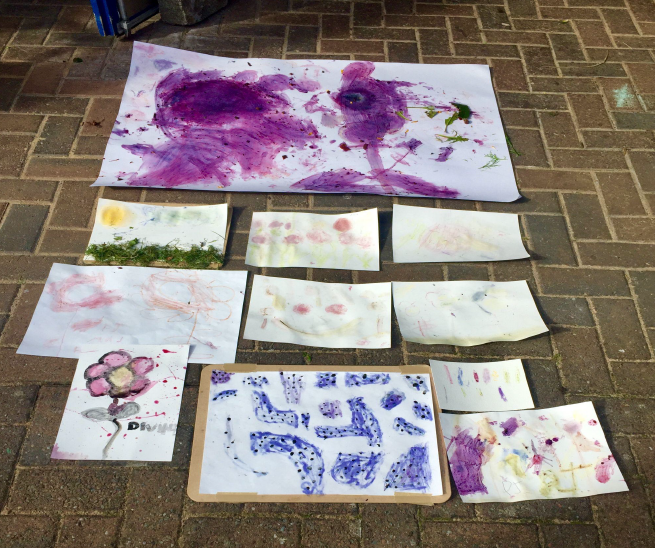
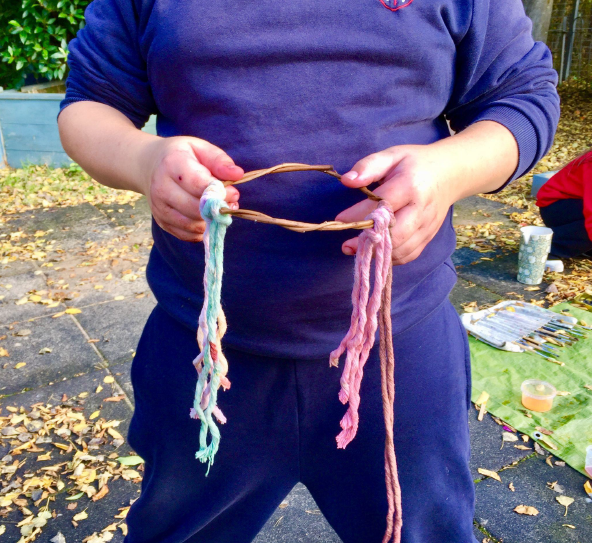
We created individual, and large collaborative pieces, using paper, cotton fabric and cotton twine. Each week built on the previous session, and there were opportunities for repetition of skills and activities, to suit individuals. The first week involved directly rubbing petal and leaf colour onto paper noticing the different smells released from the plant material. Week two introduced paint making and fabric painting, to explore colour mixing, dye making plus an opportunity to play and learn when squirting different colours across a large cotton canvas. In week three we consolidated the learning, as the children picked flowers for inspiration, including sunflowers they had planted in the Spring. They recalled the best plant colours for dyeing and selected their favourite shades for dip dying cotton twine. There was also the opportunity to learn the useful ‘larks head’ knot.
The participants explored the whole process, from collecting/foraging to crushing, mixing and art making. We worked outdoors, making sure quiet space was available and ensured wheelchair users could access as much of the area as possible. The weather was generous, with occasional brief showers necessitating some participants moving under cover for a short time. We had gazebos and inside space available, if essential.
Impact
Holding the sessions entirely outdoors had a positive impact on the children, they noticeably enjoyed experiencing the weather, light and freedom of space. The able bodied children constantly moved around whilst engaging in all the creative processes, clearly enjoying the garden, and refusing to move indoors during rain showers. The young people with disabilities were animated and smiling, engaging with their surroundings and activities.
Through working side by side, participating in the same activities, all the children were included and began to notice each other’s work. The able bodied children, who arrived first, demonstrated their knowledge and making skills to the young people from Oaklands and Rowanbank. By the third session there were noticeable smiles and hellos, as the children gained more confidence and felt more relaxed around the pupils with significant disabilities. Rowanfield School only attended one session due to staffing issues, but their pupils participated and were encouraged and guided by one of the Ferryhill students.
Using all natural plant materials and simple creative outcomes encouraged every child to explore the process fully, develop their knowledge and extend their observational and compositional skills in a holistic way. Engaging all the senses, particularly touch, sight and smell, gave the opportunity for each participant to explore and have autonomy over their creativity.
Beneficiaries
5 organisations collaborated: 2x Special Schools, 1x local Primary School, Art Buds Collective, Drylaw Neighbourhood Centre
9-14 children aged 8 years + attended weekly, with 8 teachers/support staff
Participants Feedback
At the final session we asked three questions, inviting the response of thumb down, one thumb up or two thumbs up
Did you enjoy meeting new people?
All replied with two thumbs up
Did you enjoy being outside?
Everyone responded with two thumbs, and 50% added toes up!
Did you learn new things about plants?
All two thumbs up, 30% added toes up. We observed the participants being focused, calm, happy, friendly, enthusiastically exploring and confident. Positive connections between the pupils were noticed, and skills were shared.
‘I like picking flowers and being outside’ R ‘This is much better than school!’ several pupils agreed
‘I like that green with the pink’ S ‘I just want the blue flowers, all blue’ D